
AV Systems Integration the critical element of any AV design.

Effective AV Systems Integration; the key to delivering a 'wow' for guests.
A great venue feels effortless. Sound, light, video, control and movement work together so naturally that the audience never thinks about the systems behind them. They simply feel the atmosphere, follow the action and get caught up in the moment.
The cracks appear when those systems start behaving like strangers. A cue lands late. A screen misses the action. Three people are needed to make one simple change. Suddenly, the technology becomes part of the experience for all the wrong reasons.
AV System integration connects audio, lighting, video, control, networks, show systems and venue interfaces around the way the space is actually used.
In a hospitality venue, that might mean moving smoothly from daytime service into a live show. In a nightclub, it could be synchronising video, light and motion above a packed dancefloor. Across a racecourse, it means getting commentary and paging to the right places at precisely the right moment.
Different venues bring different pressures. The aim is the same: one responsive environment in which every system knows its role, every cue lands where it should and the technology gets out of the way.
Experience first. One venue, not a pile of systems
The hard part isn’t making systems talk. It’s deciding what they need to say to one another, when they need to say it.
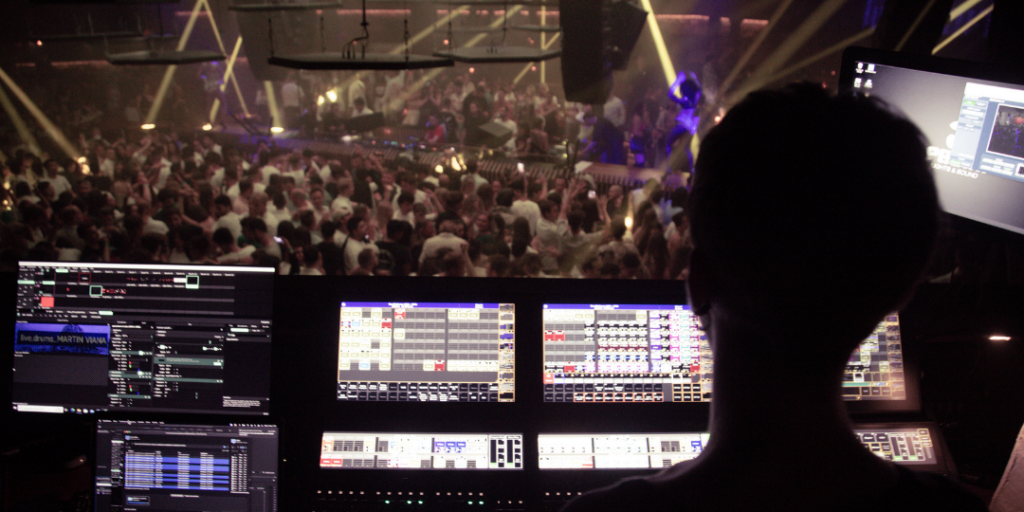
Integration is all about control. Unifying the elements so an operator can change the character of a room without fighting several interfaces. It gets the right cue to audio, lighting, video and motion at exactly the right moment. And when a device or network path fails, it stops one fault becoming a venue-wide problem.
It follows the same principle as our experiential design. Experience first, technology with purpose. We don’t connect everything simply because we can. We start with how the venue needs to work, then make some important decisions:
- What needs to happen in each part of the venue and how quickly?
- Who needs control, and what must they be able to do without calling an engineer?
- Which systems need to share information, and which are safer staying independent?
- Where is resilience essential, and what should happen when something fails?
Those answers shape the signal routes, network architecture, control logic, interfaces and failover strategy. Everything is designed around the venue: not around what looks tidy on a schematic.
Because successful integration isn’t measured by how many systems are connected. It’s measured by how confidently the team can operate them, how naturally the venue responds and how well everything keeps moving when something doesn’t go to plan.
What changes when the integration is right?
The experience feels joined-up.
Sound, light, video and movement can respond together instead of landing as separate effects. Transitions feel deliberate. The audience sees the moment, not the handover between systems.
The venue team gets sensible control.
Controls match the job and the person doing it. Daily presets stay simple; deeper functions remain available to technical teams. One button is only clever if it does the right thing.
Problems are easier to find.
Clear signal paths, monitoring and documentation help teams see where a fault sits. Nobody should have to reboot half the building because one display has gone quiet.
The system can change without starting again.
Capacity, zoning and sensible interfaces let venues add content, spaces or operating modes later. That’s useful flexibility – not a vague promise that the system is magically future-proof.
What Audiotek AV Systems Integration brings together.
Audio, lighting, video and show systems.
Our audio, lighting and video systems keep the specialist functions they need, while exchanging the cues, timing and status information that make the wider experience work.
Control, automation and operating modes.
We create interfaces, presets, permissions and automated sequences around real workflows. A venue can move between dayparts, events or show states without rebuilding the system every time the brief changes.
Networks, signal distribution and infrastructure.
Audio, video and control increasingly share network infrastructure. We plan bandwidth, routing, fibre, device addressing and resilience with the client’s IT and construction teams. The network isn’t the glamorous bit, right up until it isn’t working.
Building, mechanical and third-party interfaces.
Complex venues rarely stop at AV. We coordinate approved interfaces with show machinery, kinetic elements, room systems and safety functions, working with the responsible specialists. Clear boundaries matter just as much as clever connections.
Integration starts before the equipment arrives.
Define the users and operating modes.
We map how the venue works on an ordinary day, during a full show and when something unexpected happens. That reveals the sources, destinations, zones, permissions and presets the system actually needs.
Build the system architecture.
We develop the signal flow, control logic, network structure, interface schedule, rack strategy, power and cable requirements. Responsibilities are defined early, before two packages assume the other one is providing the same connection.
Coordinate every discipline.
Audiotek works with architects, interior designers, IT teams, electrical and mechanical engineers, rigging specialists, creative teams and local contractors. Integration lives in the gaps between packages, so those gaps can’t be left to chance.
Configure, test and prove the system.
We program control, configure devices, test interfaces and check normal, changeover and failure conditions. During installation and commissioning, the physical system is built, calibrated, documented and handed over. Integration defines how it works together; commissioning proves that it does.
The same service. A very different job in every sector of the system.
Nightlife and live entertainment
Audio, lighting, video, motion and show control must hit the same moment, while staying flexible for changing artists and formats. The show can be complex. Running it shouldn’t feel chaotic.
Theatres and performance venues
Venue systems, production equipment, relay, stage communications and visiting-company needs must coexist. Integration supports flexibility without turning every performance into a fresh wiring exercise.
Hospitality, retail and visitor attractions
Spaces may shift between quiet background operation, branded content, presentations and live events. Zoning and presets let teams change the mood without needing an engineer beside the till.
Sports and large public venues
Distributed sites need reliable routing, central oversight and clear priorities across commentary, media, signage, paging and operational messages. Scale makes good system architecture non-negotiable.
AV systems integration in practice.
Omnia, Las Vegas
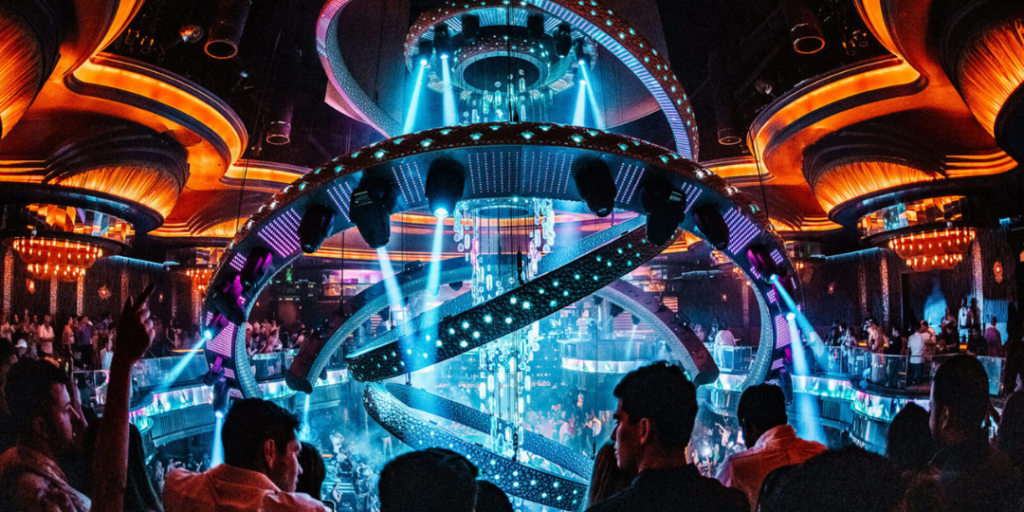
Omnia combines a main room, ultra-lounge and rooftop terrace under one AV umbrella. Audiotek integrated audio, lighting, video, movement and central control, with distinct profiles for each zone and redundancy for critical events. The rooms behave differently. The venue still operates as one.
Pacha Ibiza

Pacha’s kinetic centrepiece brings 37 hexagonal LED panels, more than 140 controlled motors, projection, outline lighting and media together as one performance system. Video, light and movement respond in real time, while the modular rig remains serviceable and reprogrammable for future shows.
77 London
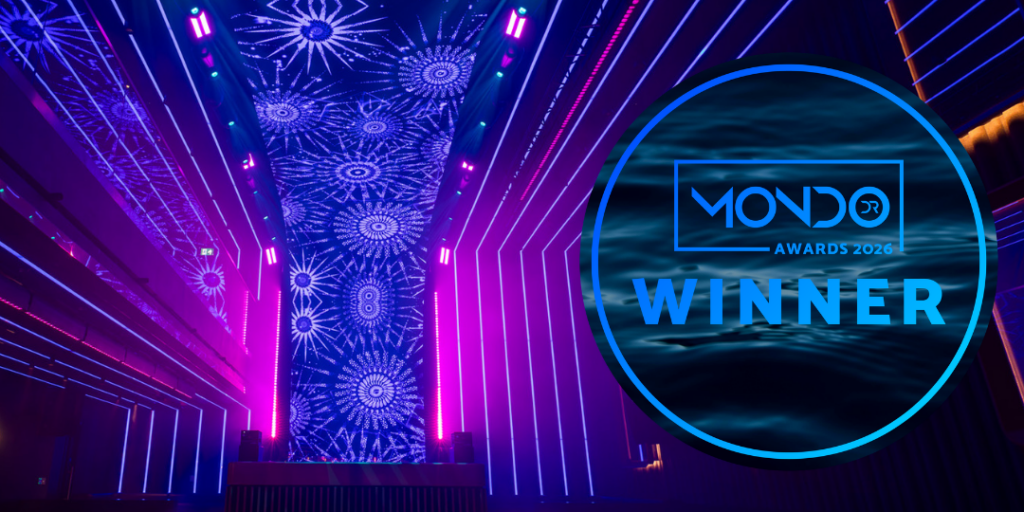
In a tight, asymmetrical basement, every millimetre and every interface mattered. Audiotek pre-modelled the audio, lighting and video systems, coordinated them with the structure and hotel build, then installed a Q-SYS backbone to give the venue one dependable route through the technology.
Cheltenham Racecourse
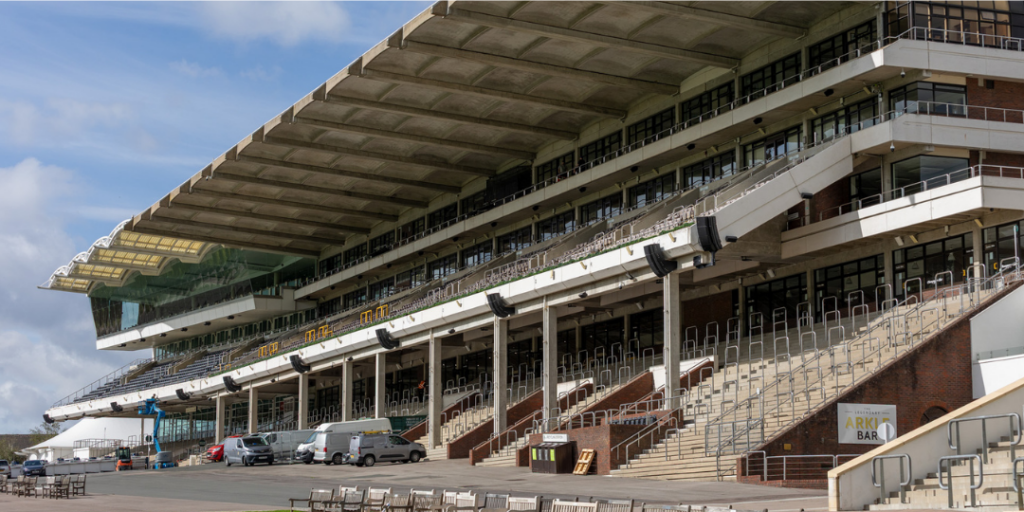
Cheltenham needed commentary, event audio, operational paging and emergency messaging across a large site. Audiotek delivered a fireproof fibre backbone with central Q-SYS control, redundant routing and scalable zones. From event control to the grandstand, the system knows what goes where – and what takes priority.
A joined-up system has to work when the pressure is on.
Integration can look flawless in a workshop and unravel when the building, programme and people arrive. Audiotek has spent more than 40 years working in venues where the doors open on time and the technology has to keep up.
We can develop the integration strategy through AV consultancy, integrate a design produced with the wider project team, or carry the complete system through installation, commissioning and support. The route can change. Ownership of the interfaces can’t.
Systems integration insights.
Good integration connects technical decisions with the venue’s real operating pressures. These Audiotek insights look at joined-up entertainment environments, networked sites and integration inside sensitive buildings.
Read The Complete Guide to Immersive Entertainment Venue Design
Read Racecourse Audio Systems: Networked Sound for Outdoor Venues
Read Integrating AV Technology in Historic Places of Worship
Tell us what needs to work together
Bring us the plans, the operating brief, the existing schematics or the recurring problem that only appears when the room is full. We’ll map the systems, users and moments that matter, then create an integration route the audience never has to think about and the venue team can trust.
AV systems integration FAQs.
What is AV system integration?
AV system integration connects audio, video, lighting, control, network and related venue technologies so they operate as one coordinated system. It includes architecture, interfaces, programming, routing, monitoring, testing and the controls used by the venue team.
What's the difference between AV design, integration and installation?
Design defines what each system must achieve. Integration defines how the systems communicate and operate together. Installation builds the physical system, while commissioning tests, calibrates and proves its performance. On a complete Audiotek project, those stages inform each other rather than being thrown over a wall.
Can Audiotek integrate new technology with an existing AV system?
Yes, where the existing equipment and infrastructure are suitable. We’ll audit the system, identify compatible interfaces and decide what can sensibly stay. Sometimes a new control layer or network solves the problem. Sometimes the old system is the problem. The survey tells us which.
Does every system need to use one control platform?
No. Centralised control is useful when it simplifies operation, but specialist systems may need their own consoles or safety boundaries. We connect what benefits from coordination and keep appropriate independence where reliability, responsibility or live operation demands it.
Can Audiotek work with systems supplied or designed by others?
Yes. Audiotek works with consultants, architects, IT teams, manufacturers, local installers and venue technicians worldwide. Successful integration depends on clear information, compatible interfaces and agreed responsibility for every hand-off. We establish those boundaries early.
How does an integrated AV system reduce downtime?
Good integration makes systems easier to monitor, diagnose and isolate. Depending on the venue, it can also include redundant paths, backups and sensible zoning so one fault doesn’t stop everything. No design can promise zero failures; it can stop one failure becoming a full-venue drama.