
Audio System Design

Audio System Design That Works With the Room
Great sound doesn’t announce the loudspeakers. It makes the room make sense. The words land, the music has weight and the experience feels effortless, wherever you’re standing or sitting.
That doesn’t happen by choosing expensive kit and turning it up. We start with the room, the people and the job. A theatre must carry a whisper to the back row. A nightclub needs impact without becoming punishment. A restaurant must shape atmosphere without flattening conversation. Same physics. Completely different job.
For more than 40 years, Audiotek has used acoustic understanding, predictive modelling, detailed engineering and hard-won site experience to make sound work with the space, not fight it.
Experience first. Sound with a job to do.
Audio system design turns an experience and performance brief into a complete, buildable sound system. It covers loudspeaker placement, amplification, processing, networking, control, infrastructure and how the system interacts with the room.
It follows the same principle as our experiential design: experience first, technology with purpose. Before we draw the system, we ask:
- Who needs to hear what – and where?
- How should the room feel at different levels and in different modes?
- What will the architecture, finishes and background noise do to the sound?
- Who’ll operate the system when the venue is busy?
Only then do we select the technology. A brand badge can’t rescue the wrong coverage pattern, a poor position or a room nobody understood.

What changes when the audio is properly designed.
Every part of the room gets the experience
Clarity doesn't depend on volume
If words are blurred or music feels muddy, turning the system up makes the problem louder. Directivity, timing, frequency balance, reflections and background noise all affect intelligibility. We bring them under control so listeners don’t have to work.
Power arrives without the punishment
High-energy venues need headroom, impact and low-frequency control, not harshness, spill or a system driven to its limit. We build in the right capacity and direct the energy where it belongs. It can feel enormous without becoming exhausting.
The system changes gear with the venue
A space may host speech, live music, DJs, presentations and background audio. Zoning, presets, routing and sensible control let the system adapt between events, without presenting the team with a cockpit every time the doors open.
Designing the room before we design the rack
The best time to solve an audio problem is while it’s still a drawing. Our process gives the wider team clear targets, coordinated information and fewer surprises on site.
Define what good needs to sound like
We define the programme, audience, operating modes, sound levels, intelligibility, tonal character and limits on spill. We also consider riders, accessibility, paging and emergency requirements. ‘We need speakers’ isn’t a brief. What the venue needs to achieve is.
Read and model the space
Drawings, surveys, measurements and modelling show how geometry, materials, balconies and neighbouring spaces affect the design. We test coverage, sound-pressure levels, aiming, delay and overlap before anything is fixed to the building. Modelling removes guesswork; it doesn’t replace experienced ears.
Engineer the whole signal path
We develop the loudspeaker layout, amplification, processing, networking and control alongside rigging, cable routes, power, equipment space and ventilation. Every connection has to work on the drawing and in the building. That’s where good coordination quietly saves money.
Prove, tune and hand it over
A design isn’t finished when the equipment powers up. During installation and commissioning we test the signal path, verify coverage, tune each zone, programme useful presets and train the team. Measurements tell us what the system is doing. Listening tells us whether it feels right.
Can a sound system fix bad room acoustics?
Not on its own. Loudspeaker choice, placement and processing can control where energy goes, but they can’t remove excessive reverberation, structural noise or sound travelling through the building. Sometimes the system is the problem. Sometimes the room is. Often it’s both.
We assess that relationship early and explain what can be solved through system design, what needs acoustic treatment and where broader AV consultancy or architectural input is required. A bigger equipment budget isn’t a substitute for the right diagnosis.
The same service. A very different job in every sector.
Theatres and concert halls
Speech intelligibility, natural tonality and even coverage matter more than spectacle. The system may support drama, orchestral work, amplified music and visiting productions in the same week, while respecting balconies, sightlines and the room’s acoustic character.
Nightlife and live entertainment
The system needs energy, headroom and control across dancefloors, stages, bars, VIP areas and terraces. We manage low-frequency behaviour and spill, add flexible show modes and make sure the room still sounds exciting several hours in.
Hospitality and destination venues
Restaurants, hotels and resorts need sound to shape mood without taking over. Distributed coverage, zoning and simple presets let the atmosphere move from breakfast to late night, without staff calling an engineer because lunch became dinner.
Sporting venues, casinos and visitor attractions
These environments combine complex coverage with very different listening conditions. Commentary, music, paging, storytelling and emergency communication may share infrastructure. The design has to stay clear, resilient and controllable across indoor, outdoor and high-noise zones.
Audio system design in practice
The Reading Hexagon

Arena seating, reflective balcony fronts and retractable stalls had created stubborn coverage problems. Audiotek modelled every zone, designed and installed a complete L-Acoustics system, then tuned it seat by seat. Even the smallest under-balcony areas got an answer – not the usual shrug.
National Concert Hall Dublin
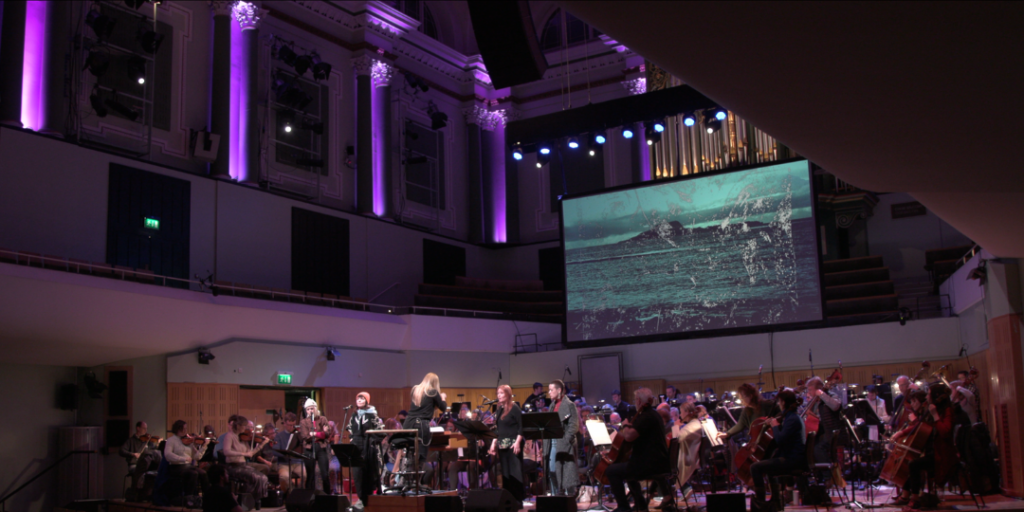
The hall needed natural reinforcement across a historic interior and a programme spanning orchestral music, jazz and spoken word. Audiotek and L-Acoustics designed and installed a new main PA with consistent tone from front row to back balcony, around a packed calendar.
77 London
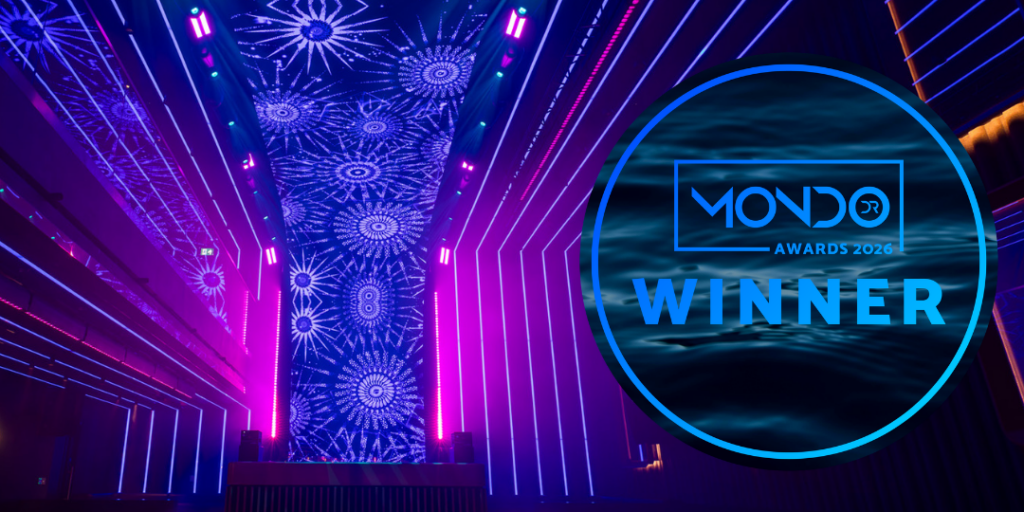
A compact, asymmetrical basement beneath an operating hotel left no room for rough calculations. Audiotek modelled a balanced four-point system with full-range clarity, controlled low end and Q-SYS control. The room hits hard, but sound, light and movement still behave like one experience.
Cheltenham Racecourse
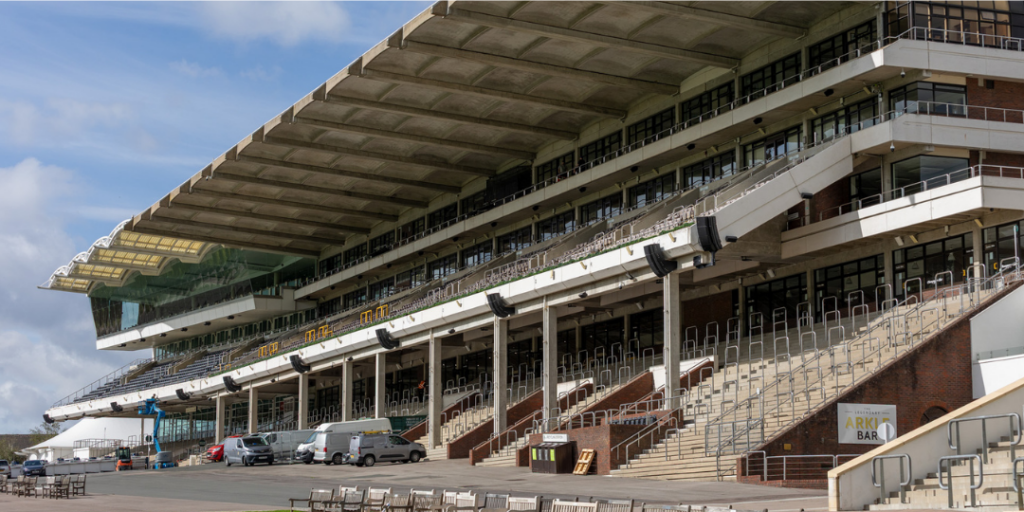
Cheltenham needed clear sound across grandstands, internal rooms and emergency zones. Audiotek combined sitewide fibre and Q-SYS control with a modelled L-Acoustics PA and redundant routing. Race-day atmosphere and critical paging now share one robust system.
The drawing isn't the finish line
Audiotek has spent more than 40 years taking audio systems from first conversation to opening night and beyond. Our designers understand what installers need; our project teams understand what happens when several trades want the same ceiling space; and our commissioning engineers know that a technically correct system can still need work before it feels right.
We can provide audio design as a defined service or carry it through AV integration, installation, commissioning and support. The scope follows the project. The performance standard doesn’t.
Audio design insights
Good audio design involves more than choosing equipment. These guides go deeper into modelling, intelligibility, room behaviour and the realities of sound in very different venues.
Read Acoustic Modelling for Non-Traditional Venues
Read Why Do Some Nightclubs Sound Bad?
Read Speech Intelligibility in Theatres: Why It Matters
Tell us how the room needs to sound
Bring us the plans, the existing system, the performance brief or the problem nobody has managed to solve. We’ll work out what the audience needs to hear, what the room is doing to it and the technical route that gets the two working together.
Audio system design FAQs
What is included in audio system design?
The scope can include the performance brief, site and drawing review, modelling, loudspeaker layout, amplification, processing, networking, control, infrastructure, rigging requirements, schematics, specifications and coordination information. We agree the deliverables around the project stage and delivery model.
What's the difference between audio system design and acoustic design?
Audio system design engineers the electronic sound system. Acoustic design deals with how the room reflects, absorbs, diffuses and transmits sound. They’re closely connected, but one can’t automatically correct the other. We’ll define where specialist architectural acoustic input is needed.
Can Audiotek improve an existing sound system?
Yes. We’ll assess the equipment, infrastructure, room and operational problems before deciding what stays. The answer may be returning and repositioning, targeted replacement, new control and networking, or a phased redesign. Reusing the right kit is sensible. Keeping the wrong kit for sentimental reasons isn’t.
Can Audiotek provide design without installation?
Yes. We can provide a defined design and specification for a client, consultant or local team. We can also take responsibility for integration, installation and commissioning where one route from concept to handover gives better control. The model depends on the job and location.
Does Audiotek design audio systems internationally?
Yes. Audiotek works worldwide with venue owners, architects, consultants, contractors and local partners. We adapt the approach to the building, standards, programme and market. Physics travels well. Construction methods and approvals don’t always pack the same suitcase.